Author: alwickenkamp
-

Can Science Make You Happy?
Marthe Möller Aristoteles wrote about it over 2300 years ago, there exist numerous magazine articles with tips on how to get more of it, and it is the central topic of many movies: Happiness. We discuss it over and over again, and we are prepared to do a lot to get it. In 2009, Gretchen…
Edited by
·
-

The Dilemma of Finding Non-Significant Results
Maria Altendorf I started in the field of health science with an ambition to make the world a healthier, better and maybe even fairer place. I specialised in health research – so I could support the vision of “global health” with my own research. Okay! Some might now call me idealistic. They would argue: “you…
Edited by
·
-

Welcome to our new ComCom Team: Maria Altendorf and Anna Brosius
Michael Hameleers, Nadine Strauß, Verena Wottrich After more than two great years, we – Michael, Verena and Nadine – are ending our terms as editors of the blog Communicating Communication. The three of us have finalized or are in the final phase of our PhD projects. This means that it is time for new PhDs…
Edited by
·
-
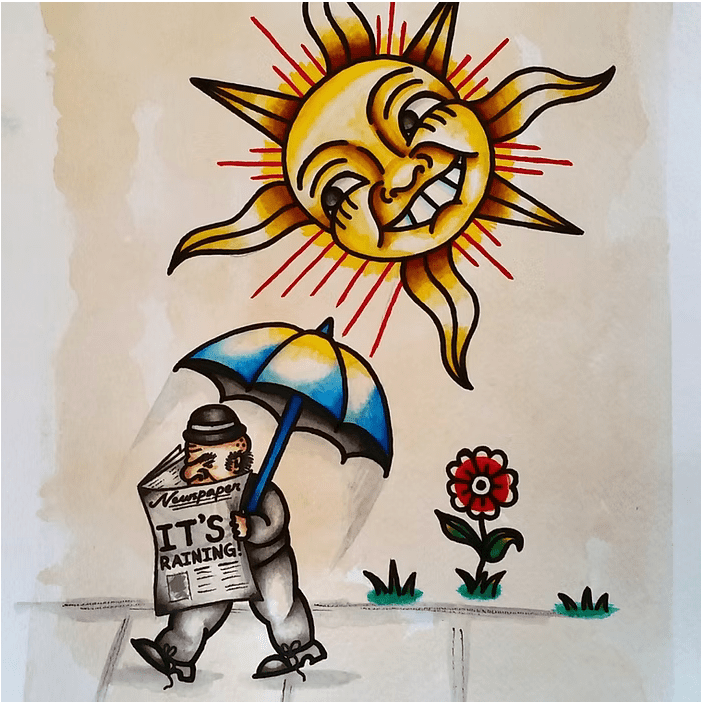
The Science Behind Fake News
Toni van der Meer The ‘rise’ of fake news With stories about speculations over the MH17 crash, claims that Pope Francis endorsed Trump, and a Chinese zoo naming a gorilla Harambe McHarambeface, 2016 became the year of fake news. These types of untruths are frequently being shared around the world as factual news. The sensational…
Edited by
·
-
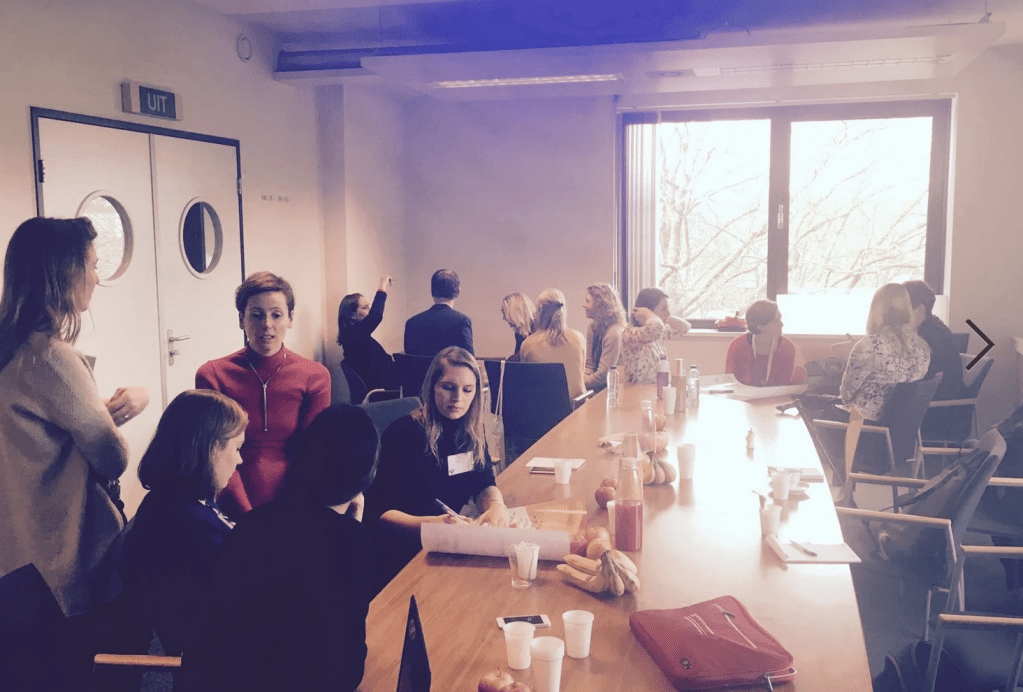
Where are we heading? The Future of Communication Science
Verena Wottrich, Nadine Strauß A position paper by the NeFCA (Netherlands-Flanders Communication Association) Young Scholars Network. Given recent technological, societal, and political developments (e.g., virtual reality, Trump election, Brexit), the NeFCA Young Scholars Network organized a brainstorming session to discuss the future of communication science. In the beginning of February 2017, PhDs and young scholars…
Edited by
·
-

A Populist Wave in Europe? Similarities and Differences Across the Continent
Michael Hameleers A growing number of nations in Europe have witnessed the rise of influential populist movements. Examples of populist expressions revolving around the construction of a divide between ‘us’ and ‘them’ abound. The Brexit movement in the U.K., for example, clearly highlighted the opposition between the innocent British people and the corrupt elites in…
Edited by
·
-

Can the real ageist please stand up?
Anne Kroon The election of Trump, the annual Dutch debate about Zwarte Piet, and recent racist media portrayals of Sylvana Simons have placed the topic of stereotypes and discrimination high on the news agenda. In the past weeks, the Dutch media have extensively debated and highlighted the current threat of increased discrimination as well as…
Edited by
·
-

4 Reasons for Going on a Research Visit
Nadine Strauß Erasmus semester during your Bachelor studies, going oversees during your Master’s or even doing a second degree in another country – for most of us Ph.D. students, international experience is part of our extensive academic training. So why would you consider to do a research visit abroad during your years as a Ph.D.…
Edited by
·
-

How and when does online behavioral advertising work?
Verena Wottrich Online behavioral targeting, self-perception, and buying behavior. The three American scholars Christopher Summers, Robert Smith, and Rebecca Walker developed an interesting theory regarding the effectiveness of online behavioral advertising. They believe that targeted advertising can influence consumers’ self-perception, which, in turn, might affect their buying behavior. Let’s make this a bit more concrete…
Edited by
·
-

Brexit, Trump, and why the mediatized blame-game is so pervasive
Michael Hameleers On the 13th of June, 2016 the largest British tabloid newspaper, the Sun, published a front-page article in which they urged British people to leave the European Union. Doing so, the involved journalists actively interpreted the issue in terms of a divide between the innocent ‘us’ and the culprit ‘them’. To provide an…
Edited by
·

