Author: alwickenkamp
-
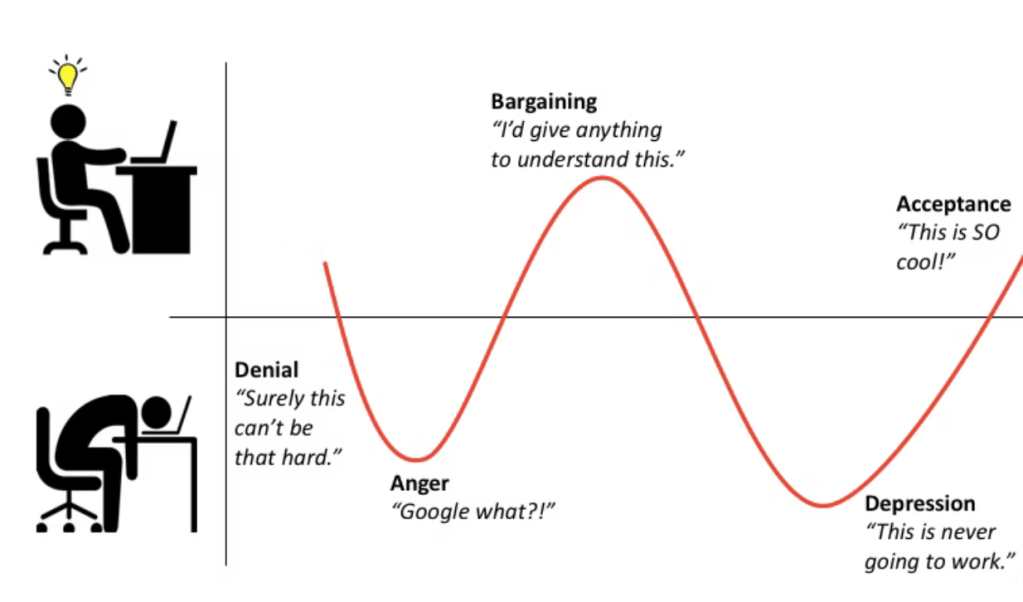
The Five Stages of Big Data Grief
Edina Striković This year, I embarked on the half-exciting /half-terrifying task of conquering the theories and practices of Big Data analysis. For some, the thought processes involved in writing code may be intuitive and come as second nature. If you are one of those lucky folk, keep moving along, this is not the blog you’re…
Edited by
·
-

Free speech on trial. What we can learn about the Wilders trial from other hate-speech prosecutions.
Sjifra de Leeuw On May 17th 2018 Geert Wilders was once again asked to appear in court. The reason for his prosecution were his vilifying remarks about Muslims. The present trial concerns his infamous statement in which he asked for “less Moroccans”. If found guilty, Wilders risks receiving a 5000 euro fine. Yet, thorough analyses…
Edited by
·
-
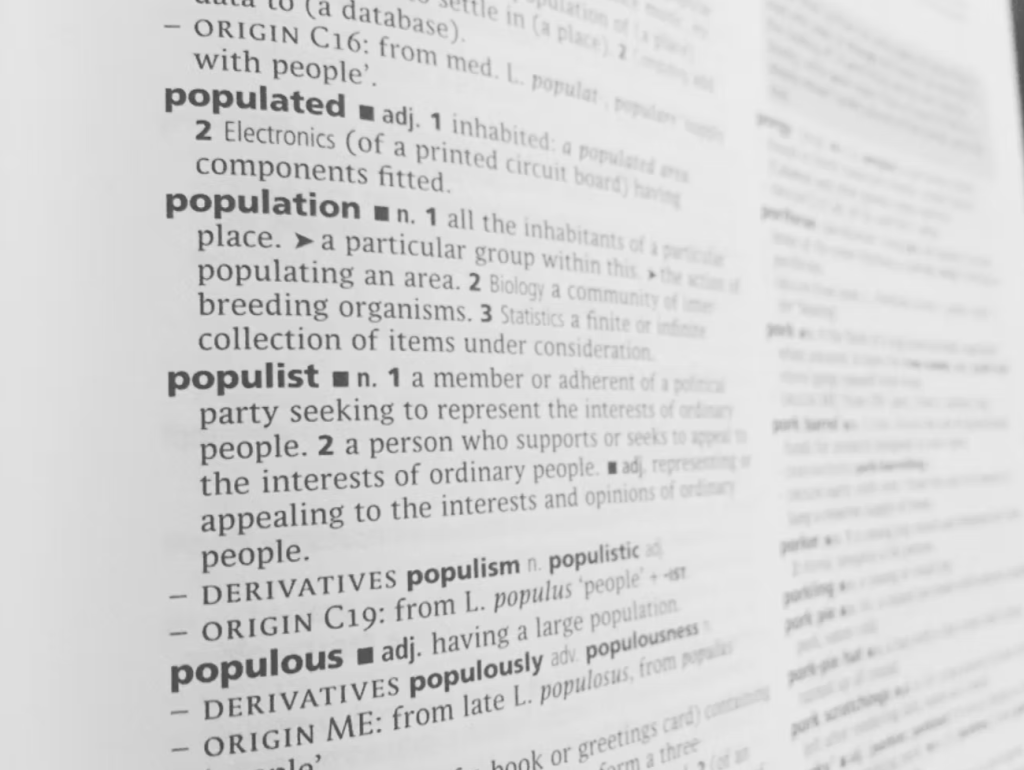
What we talk about when we talk about populism
Edina Striković Populism. Everyone is talking about it. Populism’s once small foothold in the electoral systems of Europe has expanded to a full-blown phenomenon that has heralded the rise of Geert Wilders and the PVV in The Netherlands, Nigel Farage and Brexit in the UK, and Donald Trump in the US. And yet attempting to…
Edited by
·
-
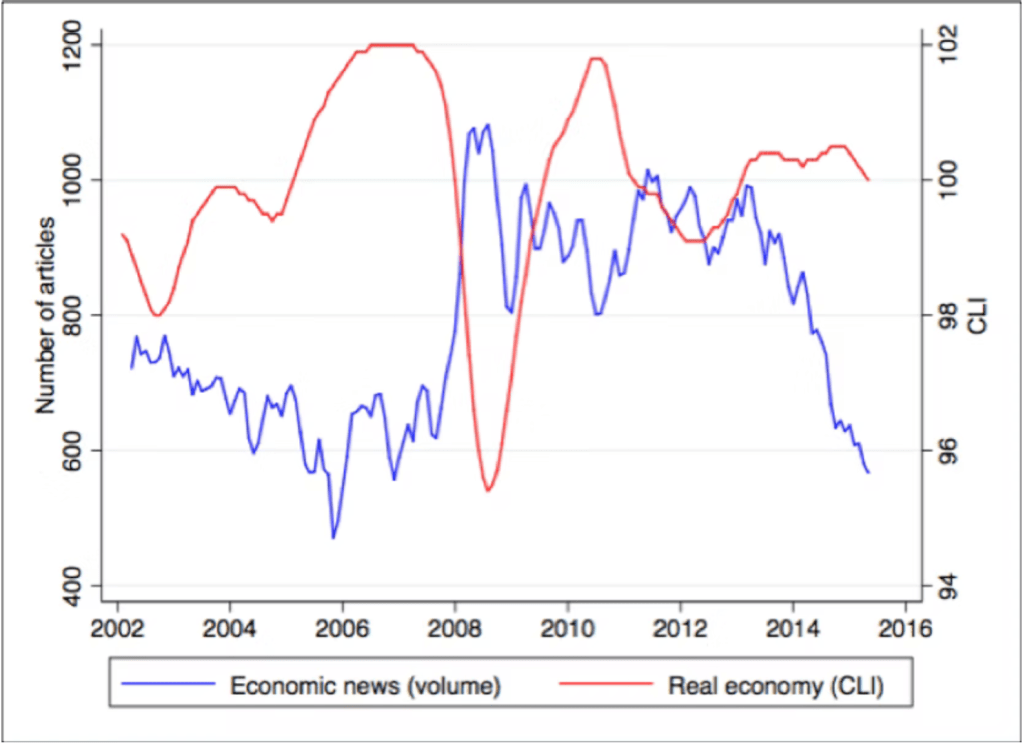
The economy, the news, and the public
Alyt Damstra It is a phenomenon as ubiquitous as it is elusive: the economy. When asked, most people have an idea — by and large — of how the national economy is doing. Some have personally experienced certain economic advancements or setbacks or know people who recently found or lost a job. However, more than…
Edited by
·
-

Three tips for successfully sampling adolescents at schools
Zeph M. C. van Berlo Adolescents are a fascinating group to study, because (as Britney once loosely put it) they are not children, [though] not yet adults (Spears, 2001). Finding adolescents to participate in a study however can be difficult, expensive, and time consuming. Contacting schools seems like a convenient solution. Even though this can…
Edited by
·
-

The Skills We Forgot To Mention
Marthe Möllerkamp; Anna Brosius Completing a PhD often is a rocky road that ends in a fork. Once PhD candidates are in the final phase of writing up their dissertation, many face a new challenge: Finding their next job. Even though the majority of new PhDs eventually end up working in the private sector, the…
Edited by
·
-

You ‘like’ what you like or you ‘like’ what your friends like?
Gauze (Pitipon) Kitirattarkarn Social networking sites like Facebook are more popular than ever all over the globe. This offers a great potential for advertisers and brand managers, but also comes with challenges. Successful social media content is viewed, shared, and liked; sometimes consumers even create their own brand-related content. But why do people view a…
Edited by
·
-

Big Dating: Research Opportunities in a Computation Social Sciences Era
Zeph M. C. van Berlo Several years ago, when I discovered ‘the wonderful world of online dating’, I struggled with some fundamental questions—and no, I am not only referring to the timeless: “What am I actually doing here?” Questions like: (a) “How long can I swipe (on Tinder), until I run out of potential matches?”,…
Edited by
·
-
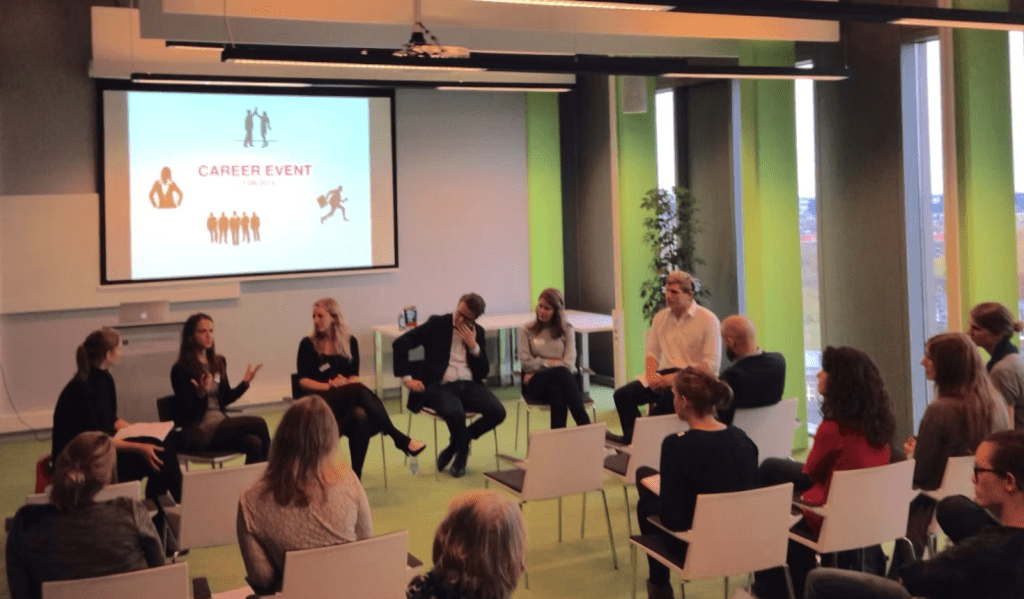
ASCoR Career Event – What the future might bring
Nadine Strauß What am I going to do after my PhD? Should I stay in academia or am I maybe better suited for the private sector? What are my chances to get a job after obtaining my degree? Every PhD faces questions like these at some point in time. Facing a highly competitive job market,…
Edited by
·
-

Did Cambridge Analytica Make Trump President?
Tom Dobber Roughly one year ago, Donald Trump’s victory shocked the world. How could such an unexperienced and understaffed campaign team beat Hillary Clinton’s seasoned and tech-savvy crew? It starts with an Englishman. Impeccably dressed, he speaks the Queen’s English and his name is Alexander Nix. As CEO of Cambridge Analytica (CA), he found the…
Edited by
·

