Category: Political Communication
-

You’ve Got a Friend in Me: How Journalists Report on Political Sources
Emma van der Goot What determines politicians’ presence in the news? Why do we often read about some politicians but not about others? Politicians rely on the news media to get their messages to the citizens, and their access to the media is limited. Relatively few politicians get their ideas to print, yet fewer make…
Edited by
·
-
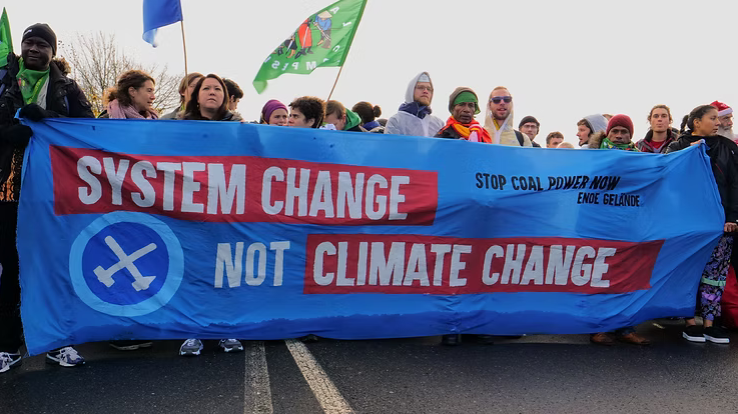
Why We Need to Talk Less about Climate Science (and Focus on Politics Instead)
Robin Tschötschel After many decades of inaction, we have to face severe climate change. Yet, the most important question is not how bad it will get, but what can be done now to cut emissions quickly. This is a point often missed by the media and campaigners. In my PhD research, I study news reporting…
Edited by
·
-

Free speech on trial. What we can learn about the Wilders trial from other hate-speech prosecutions.
Sjifra de Leeuw On May 17th 2018 Geert Wilders was once again asked to appear in court. The reason for his prosecution were his vilifying remarks about Muslims. The present trial concerns his infamous statement in which he asked for “less Moroccans”. If found guilty, Wilders risks receiving a 5000 euro fine. Yet, thorough analyses…
Edited by
·
-
What we talk about when we talk about populism
Edina Striković Populism. Everyone is talking about it. Populism’s once small foothold in the electoral systems of Europe has expanded to a full-blown phenomenon that has heralded the rise of Geert Wilders and the PVV in The Netherlands, Nigel Farage and Brexit in the UK, and Donald Trump in the US. And yet attempting to…
Edited by
·
-
Did Cambridge Analytica Make Trump President?
Tom Dobber Roughly one year ago, Donald Trump’s victory shocked the world. How could such an unexperienced and understaffed campaign team beat Hillary Clinton’s seasoned and tech-savvy crew? It starts with an Englishman. Impeccably dressed, he speaks the Queen’s English and his name is Alexander Nix. As CEO of Cambridge Analytica (CA), he found the…
Edited by
·
-
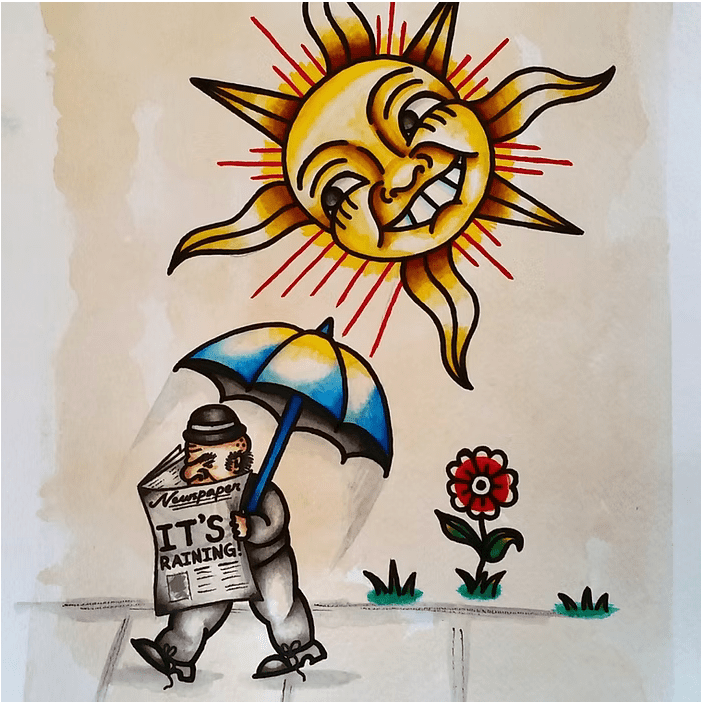
The Science Behind Fake News
Toni van der Meer The ‘rise’ of fake news With stories about speculations over the MH17 crash, claims that Pope Francis endorsed Trump, and a Chinese zoo naming a gorilla Harambe McHarambeface, 2016 became the year of fake news. These types of untruths are frequently being shared around the world as factual news. The sensational…
Edited by
·
-
A Populist Wave in Europe? Similarities and Differences Across the Continent
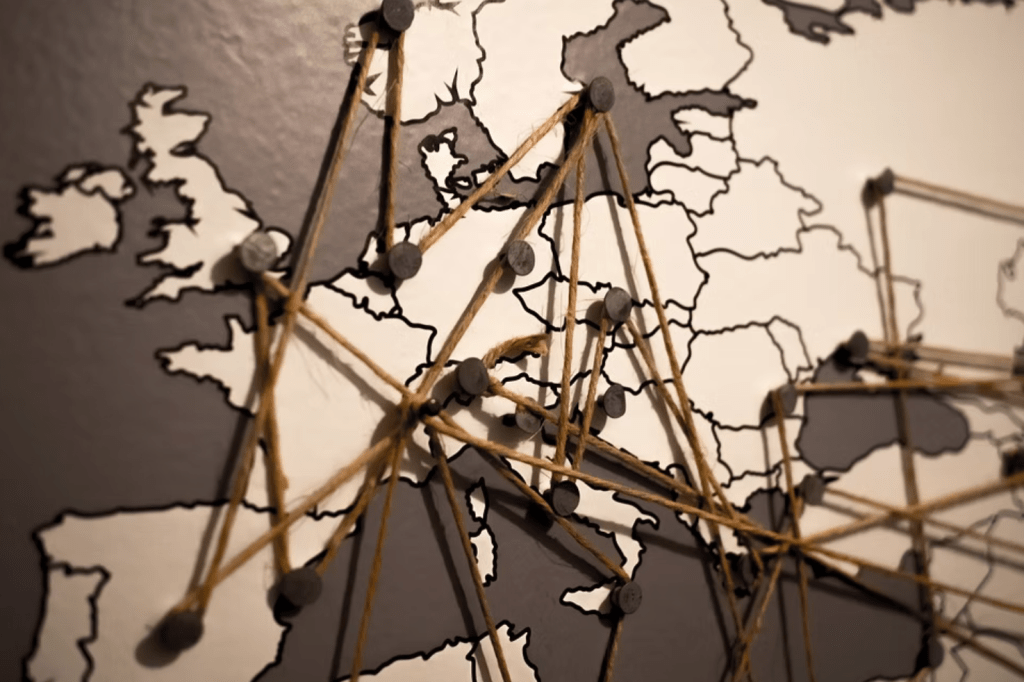
Michael Hameleers A growing number of nations in Europe have witnessed the rise of influential populist movements. Examples of populist expressions revolving around the construction of a divide between ‘us’ and ‘them’ abound. The Brexit movement in the U.K., for example, clearly highlighted the opposition between the innocent British people and the corrupt elites in…
Edited by
·
-

Brexit, Trump, and why the mediatized blame-game is so pervasive
Michael Hameleers On the 13th of June, 2016 the largest British tabloid newspaper, the Sun, published a front-page article in which they urged British people to leave the European Union. Doing so, the involved journalists actively interpreted the issue in terms of a divide between the innocent ‘us’ and the culprit ‘them’. To provide an…
Edited by
·
-

How can media contribute to genocide?
Tom Powell A defining feature of genocide is numbers: 6 million dead in the holocaust, 1.5 million in Cambodia, 800,000 in Rwanda, 400,000 in Darfur. The mind boggles. Quite literally. To get a feel for these numbers, simply take yourself – in all your singularity, importance, complexity, and love – and multiply this by hundreds…
Edited by
·
-
Home is where the heart is? The role of identity in populism’s persuasiveness
Michael Hameleers Most scholars agree that populism is a highly persuasive communication strategy. As a reader of this post, you may be inclined to think: not for me, I am not buying the hostile ‘us’ versus ‘them’ oppositions articulated by Wilders, Strache, le Pen, or other members of populist party families. Your resistance makes perfect…
Edited by
·

